Owning a motorhome is all about freedom — weekends on the coast, European road trips, or impromptu countryside escapes. But before you hit the road, you’ll need something far less exciting but absolutely vital: insurance.
Here’s the snag. Motorhome insurance isn’t as straightforward as car cover. Policies differ, add-ons can be confusing, and the jargon doesn’t always help. What’s essential? What’s optional? And how do you avoid paying through the nose for something you don’t actually need?
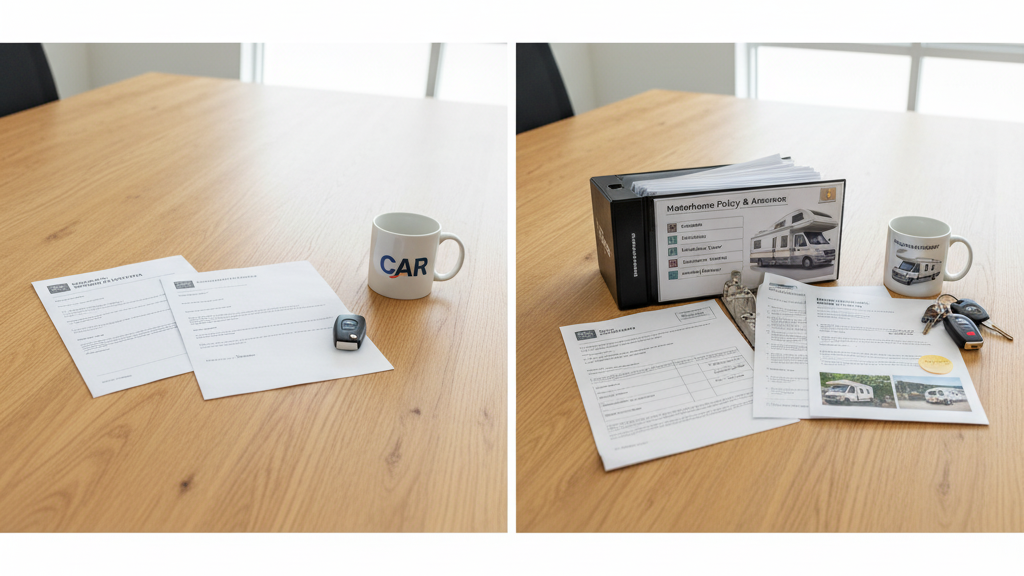
Motorhome insurance isn’t as straightforward as car cover.
This guide strips it back. No fluff, no nonsense — just everything you really need to know about motorhome insurance in the UK.
What Motorhome Insurance Covers
At its core, motorhome insurance is there to protect:
- You (financially and legally)
- Your motorhome (from damage, theft, or fire)
- Other people (injuries or damage you may cause)
Most standard policies will include:
- Accident cover – Repairs or replacement if your motorhome is damaged in a crash.
- Theft protection – If your pride and joy gets stolen.
- Fire damage – Whether caused by accident or electrical fault.
- Third-party liability – Covers injury or damage you cause to others.
Think of insurance as peace of mind. It’s not just a legal box to tick — it’s protection against the kind of bills that could derail your travel plans for good.
Types of Motorhome Insurance Cover
Just like car insurance, there are three main tiers to choose from:
1. Third Party Only (TPO)
- The minimum legal requirement.
- Covers damage or injury caused to other people or their property.
- Does not cover your motorhome.
- Fine if you’ve got an old, low-value van — but most owners find it too risky.
2. Third Party, Fire & Theft (TPFT)
- Everything TPO covers, plus protection if your motorhome is stolen or damaged by fire.
- A good middle ground, but still leaves your own vehicle unprotected in accidents.
3. Comprehensive
- The highest level of cover.
- Protects against third-party claims, theft, fire, and damage to your own motorhome, even if the accident is your fault.
This is the most popular choice — and usually the smartest, considering the high cost of motorhome repairs.
Useful Add-Ons to Consider
Motorhome policies can be tailored with optional extras. The right ones depend on how and where you travel.
Don’t buy every add-on blindly.
European Cover – Essential if you plan on driving abroad. Some policies include it as standard, others require a bolt-on.
Breakdown Assistance – Worth every penny. Standard car breakdown cover often won’t handle large motorhomes.
Contents Cover – Protects belongings like laptops, cameras, e-bikes, and camping gear. Standard policies often exclude contents.
Windscreen Cover – Motorhomes have big (and expensive) windscreens. One stone chip can mean a four-figure repair bill.
Awning Cover – Awnings are easily damaged by wind or accidents on site. Some insurers exclude them unless specifically added.
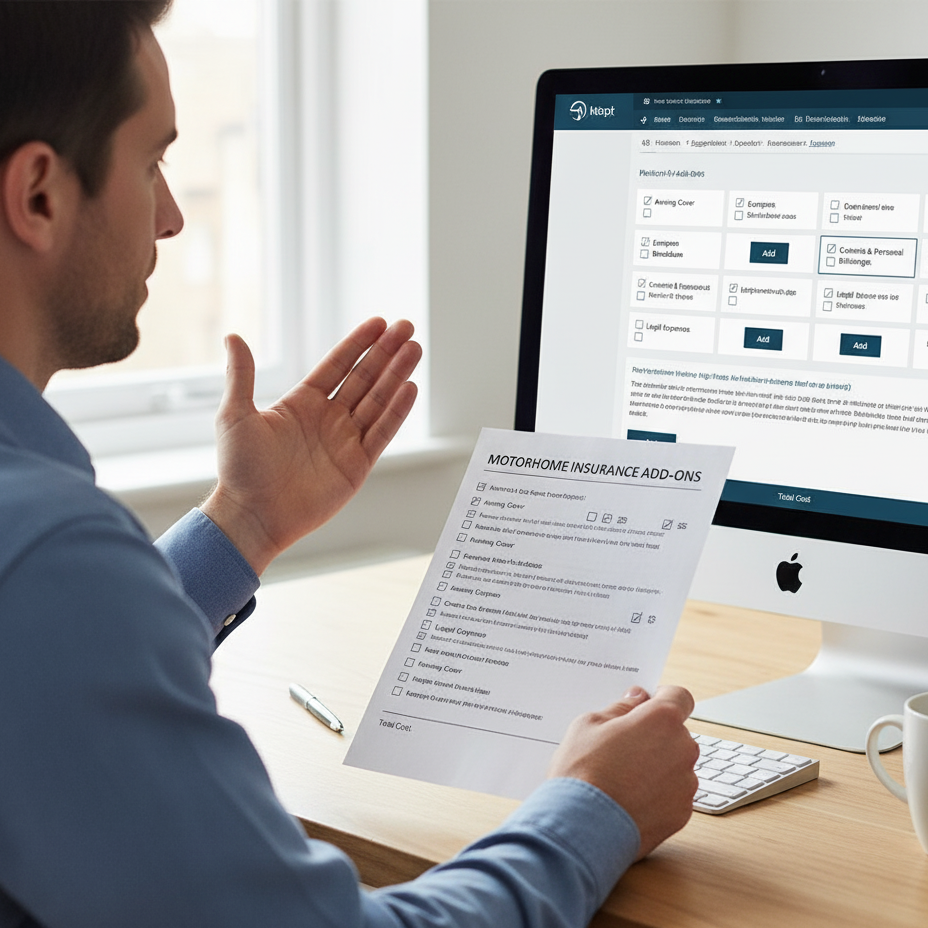
Don’t buy every add-on blindly. Think about your travel style: If you only tour the UK, European cover is pointless. But if you travel with expensive kit, contents cover is a no-brainer.
Common Mistakes to Avoid
These are the pitfalls that cost owners money — or worse, invalidate claims.
Underestimating Mileage
Tempted to quote a low annual mileage to cut costs? If you exceed it, insurers may refuse claims. Always give a realistic estimate.
Not Declaring Modifications
Solar panels, bike racks, upgraded alarms, satellite dishes — all count as modifications. Hiding them could void your policy.
Forgetting About Storage
Where you keep your motorhome matters. A secure compound or garage could reduce your premium. Leaving it on-street may increase it.
Mixing Up Motorhomes with Campervans
Some insurers distinguish between a self-built campervan and a factory-built motorhome. Be precise when declaring your vehicle type.
Honesty is the cheapest policy. Cutting corners might save a few quid upfront, but could cost thousands if you ever need to claim.
How to Save on Motorhome Insurance
Nobody wants to overspend on premiums. Here’s how to keep costs sensible
Shop Around – Never accept your first renewal price. Use comparison sites, but also check specialist brokers who understand motorhomes.
Join a Club – Organisations like the Caravan and Motorhome Club often unlock discounts.
Improve Security – Alarms, immobilisers, wheel clamps, and GPS trackers all reduce theft risk — and premiums.
Pay Annually – Monthly instalments often include interest. If you can afford it, pay in one go.
No Claims Bonus – Just like car insurance, a clean record builds discounts over time.
Insider tip: Consider a limited mileage policy if you only use your motorhome for a few trips per year. Lower mileage usually means cheaper cover.
Motorhome Insurance FAQs
It’s always best to ask your insurance company these questions but we’ve covered the basics here so you know what to expect.
Do I legally need motorhome insurance in the UK?
Yes. At minimum, you need Third Party Only cover to drive legally.
Does my car insurance cover me to drive a motorhome?
No. Motorhomes need their own specialist insurance.
Can I drive abroad with UK motorhome insurance?
Often yes — but check if European cover is included or an add-on. Don’t assume.
What if I live in my motorhome full-time?
You’ll need a specialist full-timing policy. Standard insurance usually assumes your motorhome is a leisure vehicle, not your main residence.
Motorhome insurance doesn’t need to be a headache.
The key is simple:
Go comprehensive for real peace of mind.
Add extras that actually suit your travel style.
Be honest when declaring mileage, storage, and modifications.
Shop around and boost security to keep costs down.
Get those basics right, and you can focus on what really matters — enjoying the open road without worrying about what might happen if something goes wrong.
Ready to sell or upgrade your motorhome?
At Sell My Motorhome Today, we make the process quick, fair, and hassle-free. Get your free, no-obligation valuation today and start your next adventure with confidence.