Deciding to sell your motorhome is never a small step. Maybe you’re upgrading to a newer model, swapping four wheels for foreign holidays, or simply downsizing. Whatever your reason, one thing stays the same: preparation is everything.
A buyer’s first impression of your motorhome can make or break the deal. A clean, well-documented, and properly maintained vehicle not only sells faster but can also command a higher price. On the flip side, skipping the basics could leave you stuck with low offers and endless haggling.
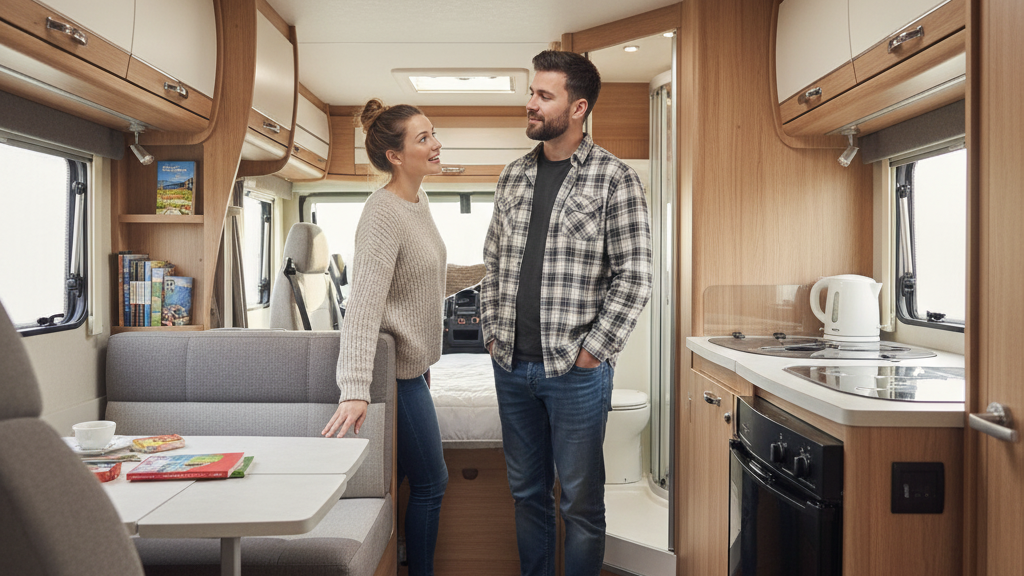
A buyer’s first impression of your motorhome can make or break the deal.
Think of it this way: preparing to sell your motorhome is a bit like staging a house. You don’t just hand over the keys without a clean, tidy, and well-organised space. Buyers want to see the care you’ve put into it, not just take your word for it.
Here’s a step-by-step guide that’ll help you get the best possible deal when it’s time to part ways with your beloved home on wheels.
Step 1: Give It a Proper Clean
First impressions count. And when it comes to motorhomes, dirt is the fastest way to put a buyer off.
Exterior: Start with a full wash, wax, and polish. Pay close attention to windows, trims, and especially the wheels — clean alloys or trims give a surprisingly strong first impression. If there are decals, clean around them carefully to avoid peeling.
Interior: Hoover carpets and rugs, wipe down all surfaces, polish cupboards, and steam-clean upholstery if you can. Curtains and blinds often trap smells — wash or freshen them to lift the whole interior.
Freshen Up: A motorhome that smells musty feels unloved. Air it out properly, and add a subtle air freshener. Skip overpowering scents — buyers can think you’re masking something.
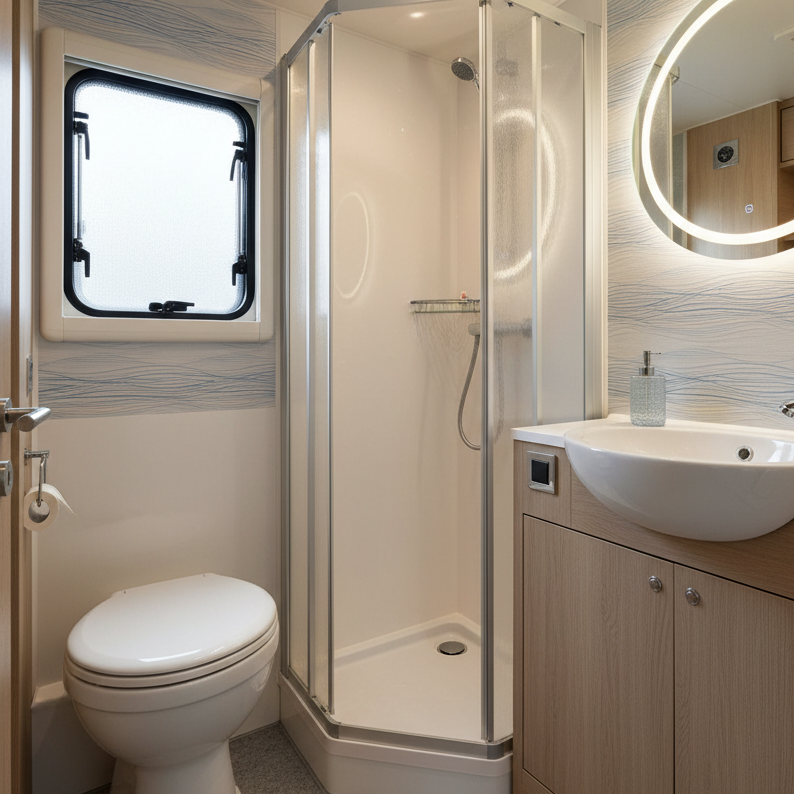
Pro Tip: Pay extra attention to the bathroom and kitchen areas. Shiny taps, sparkling sinks, and fresh seals around showers instantly reassure buyers about hygiene.
A spotless motorhome doesn’t just look good; it makes buyers feel like the vehicle has been well cared for. That perception alone can bump your valuation.
Step 2: Small Fixes, Big Impact
You don’t need to spend thousands refurbishing your motorhome before selling. But small, inexpensive fixes can create the sense of a well-maintained vehicle.
- Replace blown bulbs or cracked light covers. Lighting is a detail buyers notice straight away.
- Swap worn wiper blades — a couple of pounds well spent.
- Tighten up cupboard handles, squeaky hinges, and loose fittings. These may seem small, but buyers will mentally add up every fault.
- Patch up minor upholstery tears or reseal windows with leaks.
Cosmetic touches might not sound like much, but collectively, they show you’ve cared about the details. Buyers who feel confident about the small stuff are less likely to question the big stuff.
Step 3: Gather the Paperwork
One of the most overlooked — yet most valuable — parts of preparing your motorhome for sale is paperwork. A neat folder of documents signals trust and credibility to buyers.
You’ll want to have:
- MOT certificate (if the vehicle is over three years old).
- Service history and receipts, ideally stamped in a service book or kept neatly filed.
- Habitation check reports — proof the gas, electrics, and water systems have been professionally inspected.
- Instruction manuals for appliances, heating systems, or fitted extras.
Missing paperwork? Don’t panic. You can still strengthen your case by booking a fresh habitation check. Even without a full history, this reassures buyers that the motorhome is currently safe and up to standard.
Paperwork isn’t just about proof; it’s about peace of mind. A buyer with a thick stack of supporting documents is far less likely to haggle.
Step 4: Service & Safety
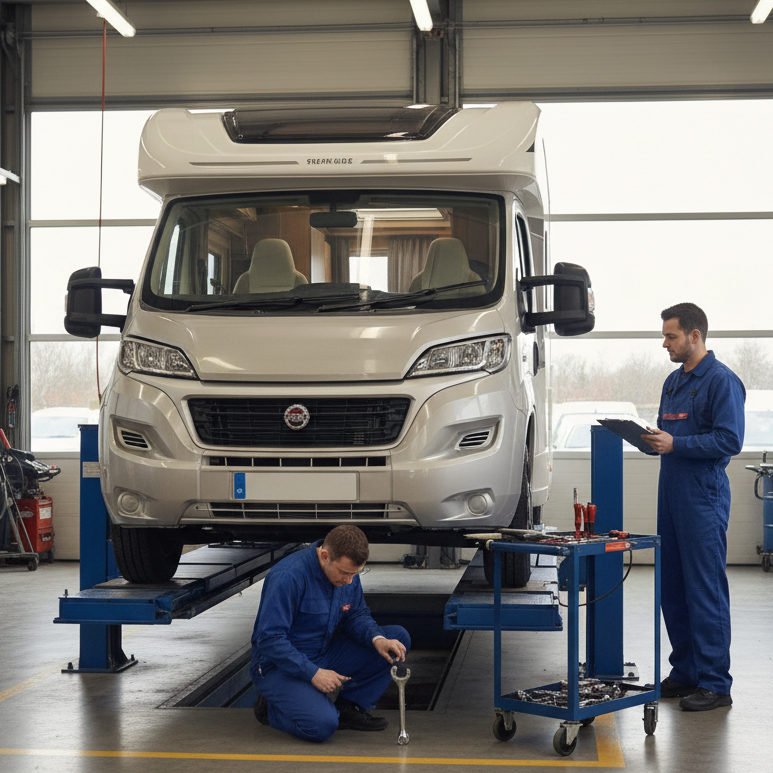
If your motorhome hasn’t been serviced recently, now’s the time to book it in. You wouldn’t sell a house with a leaky roof, so why hand over a motorhome without proving it’s road-ready?
Mechanical service: Make sure the basics are covered — oil changes, brakes, suspension, and tyre checks.
You wouldn’t sell a house with a leaky roof
Safety systems: Gas and electrics should be tested, with certificates available if possible.
Batteries: Both the engine and leisure batteries should hold charge. Buyers will likely check this themselves.
Yes, a service costs money. But the reassurance it provides often pays back far more in the sale price. Many buyers will simply walk away from a motorhome with unclear service history.
Step 5: Declutter & Depersonalise
When people step into your motorhome, they need to imagine it as their future home on wheels — not yours.
- Remove personal touches like bedding, family photos, ornaments, or excess kitchen clutter.
- Keep it furnished and welcoming, but neutral. A few cushions and clean bedding can go a long way.
- Empty cupboards to show off storage capacity. Buyers want to see space, not your half-used tins of beans.
Think of it like showing a house: you’re giving buyers a blank canvas so they can picture their own adventures.
Step 6: Photos & Presentation
If you’re selling privately, your photos do the heavy lifting before a buyer ever comes to view. Poor photos = fewer enquiries.
Shoot in daylight, ideally with natural light filling the motorhome.
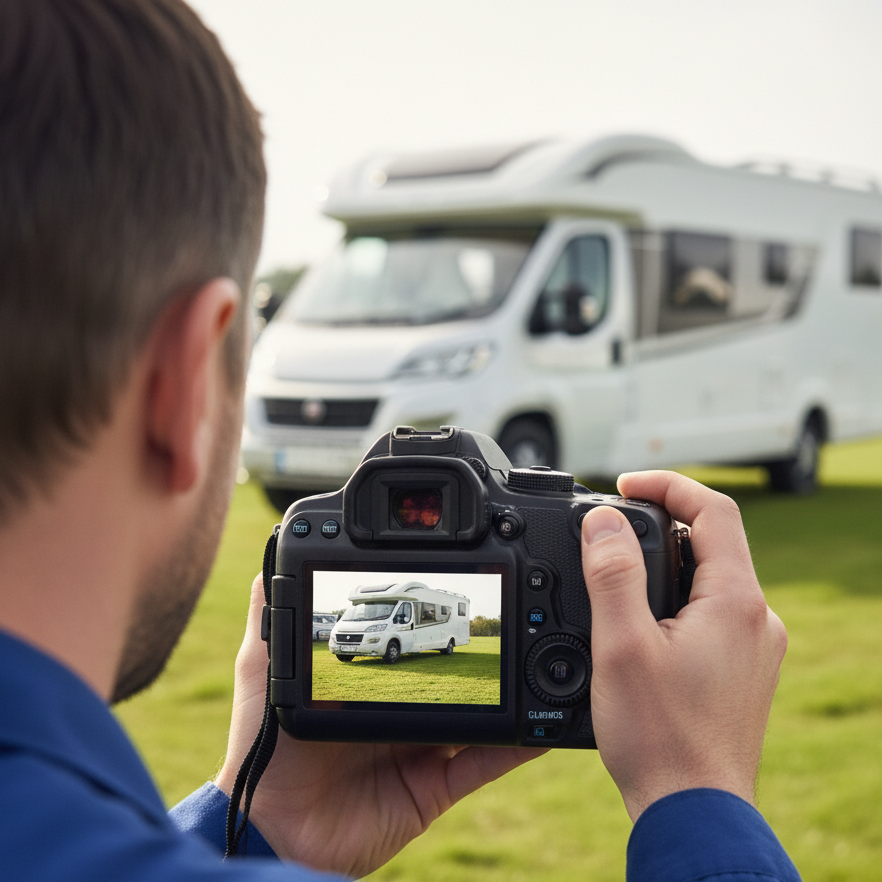
Capture wide shots of the living areas, kitchen, bathroom, and driver’s cab.
Highlight unique selling points — solar panels, awnings, bike racks, or satellite dishes.
Tidy the background before every shot. No clutter, no laundry, no mugs on the side.
A strong set of photos can make your listing stand out immediately, cutting through the noise of hundreds of other ads.
Step 7: Be Realistic with Valuation
It’s easy to overvalue your motorhome, especially if you’ve built memories in it. But buyers (and the market) don’t pay extra for sentiment.
- Research similar models on platforms like AutoTrader, Gumtree, or dealer sites.
- Compare age, mileage, and condition fairly.
- Factor in extras — fitted solar panels or a new awning may add some value, but don’t expect full cost recovery.
- For a stress-free approach, get a professional valuation from a trusted buyer (like us 😉).
Setting an unrealistic asking price will scare off buyers. But pricing too low can cost you thousands. The sweet spot is a fair, evidence-based price with room for small negotiation.
Why Preparation Pays

You might be wondering: is all this effort really worth it? The answer is a resounding yes.
A well-prepared motorhome can:
- Add £500 to £2,000+ to your final sale price.
- Reduce haggling and awkward back-and-forth.
- Sell weeks faster compared to an unprepared motorhome.
- Make buyers trust you from the start.
Preparation also reduces stress. Instead of worrying about every small fault being uncovered during viewings, you’ll know you’ve already covered the bases.
Selling your motorhome doesn’t have to be a stressful or drawn-out process. With a bit of cleaning, some minor fixes, organised paperwork, and a fresh service, you can transform your vehicle from “used” to “well-loved and ready for new adventures.”
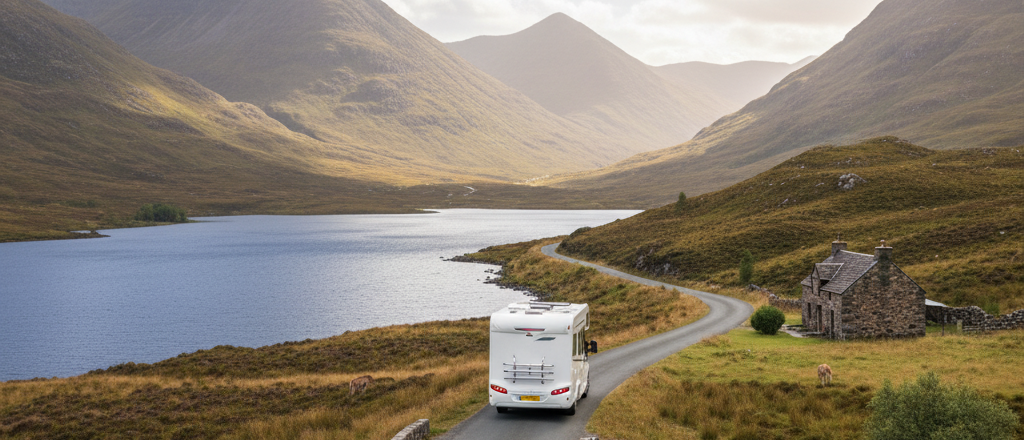
Remember: you’re not just selling a motorhome. You’re selling the idea of freedom, comfort, and adventure — and presentation matters.
Put in a little time now, and you’ll walk away with a quicker sale, a higher price, and peace of mind knowing you’ve done it right.
Ready to sell or upgrade your motorhome?
At Sell My Motorhome Today, we make the process quick, fair, and hassle-free. Get your free, no-obligation valuation today and start your next adventure with confidence.